
 Chemicals
 Lab Accessories & Equipment
 Filteration
What is AGAR?
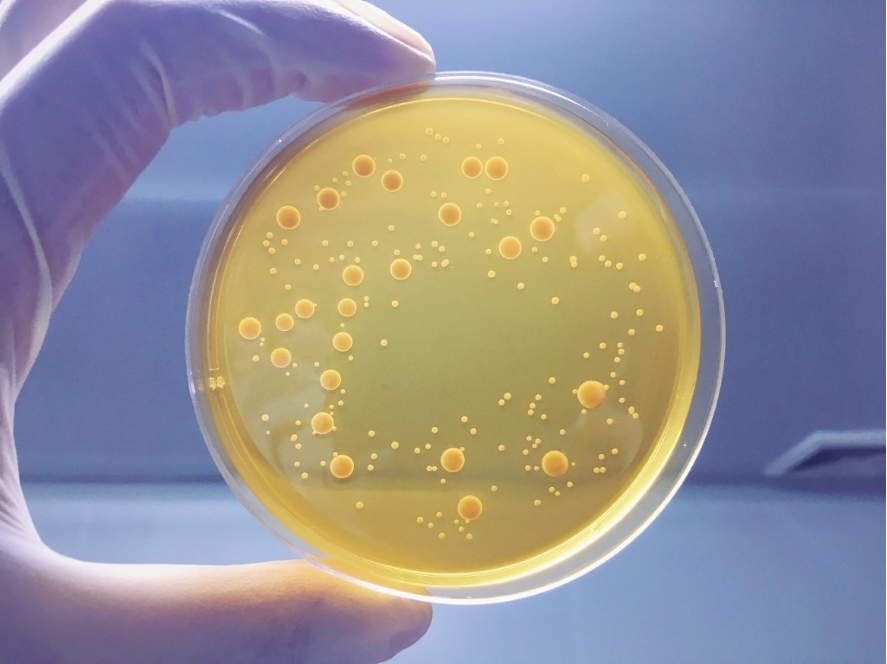
Agar is a jelly-like substance consisting of polysaccharides obtained from the cell walls of some species of red algae, primarily from ogonori (Gracilaria) and "tengusa"
Agar is a jelly-like substance consisting of polysaccharides obtained from the cell walls of some species of red algae, primarily from ogonori (Gracilaria) and "tengusa" (Gelidiaceae).
Agar is a mixture of two components, the linear polysaccharide agarose and a heterogeneous mixture of smaller molecules called agaropectin.[3] It forms the supporting structure in the cell walls of certain species of algae and is released on boiling. These algae are known as agarophytes, belonging to the Rhodophyta (red algae) phylum.[4][5]
Agar has been used as an ingredient in desserts throughout Asia and also as a solid substrate to contain culture media for microbiological work. Agar can be used as a laxative; an appetite suppressant; a vegetarian substitute for gelatin; a thickener for soups; in fruit preserves, ice cream, and other desserts; as a clarifying agent in brewing; and for sizing paper and fabrics.
Uses
Culinary

Agar-agar is a natural vegetable gelatin counterpart. It is white and semi-translucent when sold in packages as washed and dried strips or in powdered form. It can be used to make jellies, puddings, and custards. When making jelly, it is boiled in water until the solids dissolve. Sweetener, flavoring, coloring, fruits and or vegetables are then added, and the liquid is poured into molds to be served as desserts and vegetable aspics or incorporated with other desserts such as a layer of jelly in a cake.
Agar-agar is approximately 80% dietary fiber, so it can serve as an intestinal regulator. Its bulking quality has been behind fad diets in Asia, for example the kanten (the Japanese word for agar-agar[5]) diet. Once ingested, kanten triples in size and absorbs water. This results in the consumers feeling fuller. This diet has recently received some press coverage in the United States as well. The diet has shown promise in obesity studies.[23]
Asian culinary
One use of agar in Japanese cuisine (Wagashi) is anmitsu, a dessert made of small cubes of agar jelly and served in a bowl with various fruits or other ingredients. It is also the main ingredient in mizu yōkan, another popular Japanese food. In Philippine cuisine, it is used to make the jelly bars in the various gulaman refreshments like Sago't Gulaman, Samalamig, or desserts such as buko pandan, agar flan, halo-halo, fruit cocktail jelly, and the black and red gulaman used in various fruit salads. In Vietnamese cuisine, jellies made of flavored layers of agar agar, called thạch, are a popular dessert, and are often made in ornate molds for special occasions. In Indian cuisine, agar agar is used for making desserts. In Burmese cuisine, a sweet jelly known as kyauk kyaw is made from agar. Agar jelly is widely used in Taiwanese bubble tea.
Other culinary
It can be used as addition to or as a replacement for pectin in jams and marmalades, as a substitute to gelatin for its superior gelling properties, and as a strengthening ingredient in souffles and custards. Another use of agar-agar is in a Russian dish ptich'ye moloko (bird's milk), a rich jellified custard (or soft meringue) used as a cake filling or chocolate-glazed as individual sweets.
Agar-agar may also be used as the gelling agent in gel clarification, a culinary technique used to clarify stocks, sauces, and other liquids. Mexico has traditional candies made out of Agar gelatin, most of them in colorful, half-circle shapes that resemble a melon or watermelon fruit slice, and commonly covered with sugar. They are known in Spanish as Dulce de Agar (Agar sweets)
Agar-agar is an allowed nonorganic/nonsynthetic additive used as a thickener, gelling agent, texturizer, moisturizer, emulsifier, flavor enhancer, and absorbent in certified organic foods.
Were you satisfied with the content?