
 Chemicals
 Lab Accessories & Equipment
 Filteration
The Importance of Chemical Quality in the Laboratory: Why the Right Choice is Critical
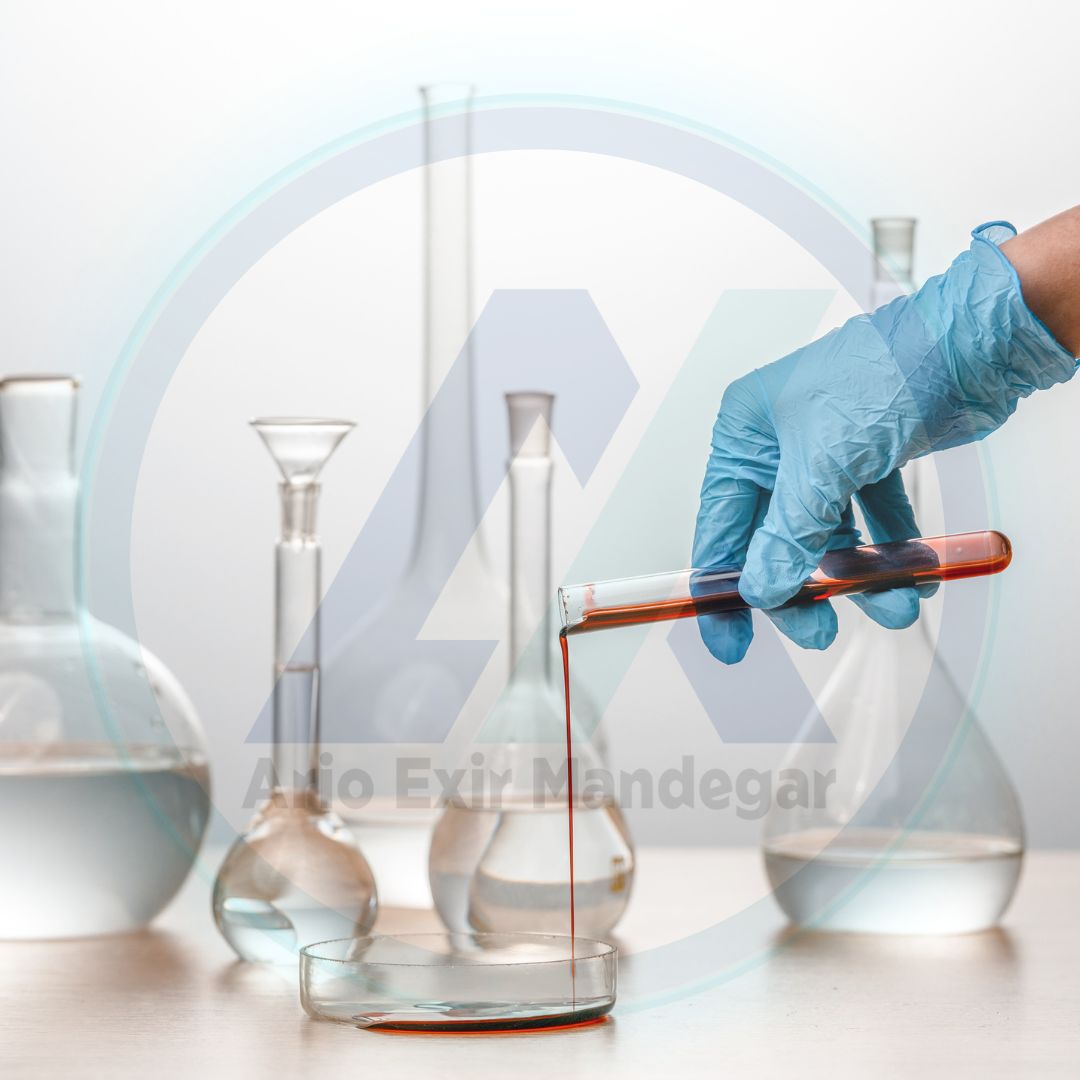
Laboratory chemicals are the backbone of every research project, quality test, and science-based production process. From university labs to medical centers, pharmaceutical manufacturers, food industries, and petrochemical plants — all of them depend on chemicals with defined purity and quality.
Category: Laboratory Chemicals | Read Time: 8 minutes | Date: July 2025
Keywords: laboratory chemicals, quality control, laboratory equipment, laboratory grade, buy laboratory chemicals, chemical reagents, chemical purity
Table of Contents
- Laboratory Chemicals and Their Role
- Chemical Grades Explained
- How Poor Quality Chemicals Affect Results
- Criteria for Choosing High-Quality Chemicals
- The Role of a Reliable Supplier
- Summary and Buying Guide
1. Laboratory Chemicals and Their Role
Laboratory chemicals are the backbone of every research project, quality test, and science-based production process. From university labs to medical centers, pharmaceutical manufacturers, food industries, and petrochemical plants — all of them depend on chemicals with defined purity and quality.
In fact, many laboratory errors that lead to wrong decisions do not stem from the weakness of the specialist, but from the use of substandard chemicals. A single reagent with low purity can invalidate an entire series of experiments.
Key Statistics:
- 73% of laboratory errors are linked to input materials
- Tests using substandard chemicals are repeated on average 3 times
- Sensitive assays require a minimum purity of 99.9%
2. Chemical Grades Explained
Laboratory chemicals are classified into different grades based on their purity level and intended application. Understanding these grades is essential for every lab professional:
- ACS Grade — Meets standards set by the American Chemical Society; suitable for precise analytical testing
- HPLC Grade — Very high purity for high-performance liquid chromatography applications
- Pharmaceutical Grade (Pharma Grade) — Required for pharmaceutical manufacturing and supplement production
- Technical Grade — For industrial processes where high precision is not required
- Molecular Biology Grade — Specifically designed for PCR, cell culture, and biotechnology applications
Key Insight: Using a lower grade than what your experiment requires is one of the most common mistakes that silently drives up laboratory costs.
3. How Poor Quality Chemicals Affect Results
Buying cheaper chemicals may seem like a smart financial decision at first, but the consequences can be far more costly. Here are the most significant impacts of low-quality chemicals:
False Results and Measurement Errors
Impurities in chemicals can interfere with reactions and produce results that differ entirely from reality. In medical diagnostics or product quality control, this can have serious consequences.
Damage to Expensive Equipment
Low-purity chemicals often contain solid particles or corrosive compounds that can damage pumps, sensors, and precision components inside laboratory instruments, significantly shortening their lifespan.
⚠️ Warning: The cost of replacing an HPLC column damaged by an unsuitable solvent can be many times greater than the initial savings on chemical purchases.
Violation of Regulatory and Accreditation Requirements
Laboratories operating under ISO, GMP, or other regulatory standards are required to use chemicals with a valid Certificate of Analysis (CoA). Using materials without proper documentation can lead to loss of laboratory accreditation.

4. Criteria for Choosing High-Quality Chemicals
How can you tell whether a chemical is truly high quality? Keep the following criteria in mind:
- Certificate of Analysis (CoA) — Every product must come with a CoA detailing all tests performed and their results
- Proper Labeling — IUPAC name, chemical formula, CAS number, and manufacturing and expiry dates are mandatory
- Packaging and Storage Conditions — Proper packaging prevents contamination and material degradation
- Traceability — The ability to trace the material back to the original manufacturer
- Reputable Brand and Manufacturer — Brands such as Merck, Sigma-Aldrich, and Fisher Scientific consistently meet global standards
Always read the SDS (Safety Data Sheet) before placing an order. This document provides not only safety information but also purity levels, potential impurities, and proper storage conditions.
5. The Role of a Reliable Supplier in Laboratory Success
Even with the best specialists and most advanced equipment, you cannot achieve reliable results without a supplier who guarantees both quality and a proper delivery chain.
Characteristics of a Good Supplier
- Provides products from reputable brands with complete documentation
- Has expertise in safety regulations and hazardous material transport
- Maintains Cold Chain integrity for temperature-sensitive materials
- Offers technical support for selecting the right grade
- Operates a well-equipped warehouse with standard storage conditions
Companies active in the supply of laboratory chemicals and equipment should be regarded as technical partners of the laboratory, not merely vendors. Advising on the right product, staying up to date with regulatory changes, and anticipating the laboratory's future needs are all core responsibilities of a professional supplier.
6. Summary and Buying Guide
The quality of laboratory chemicals is not something that can be compromised for short-term savings. Investing in high-quality materials ultimately reduces long-term costs and preserves the scientific credibility of the laboratory.
When purchasing laboratory chemicals, never forget these three principles:
- Select the appropriate grade for your specific application
- Buy from a supplier that provides complete and verifiable documentation
- Always track the storage chain from the supplier's warehouse to your own laboratory
A successful laboratory is one that invests equally in the quality of its consumable materials as it does in its equipment.
Contact our experts for free consultation on selecting the right chemicals for your laboratory.
Were you satisfied with the content?